Choosing the right career path or degree programme after graduation from school is one of the most important decisions in a young person’s life. At our Phorms Gymnasium in Steinbach, we therefore support our students on this journey right from the start – including with an international outlook that is an integral part of our bilingual secondary school. We equip them with key future skills and show them a wide range of opportunities to gain initial practical experience through projects, competitions and internships in Germany and abroad, enabling them to position themselves in the best possible way for their future.
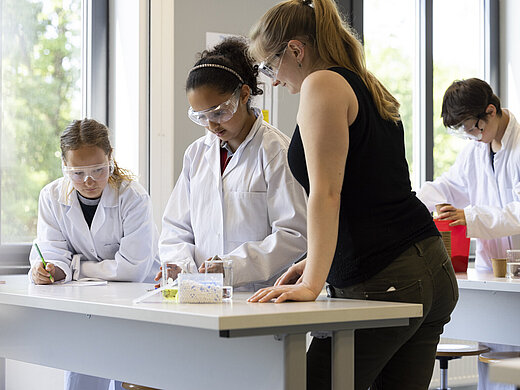
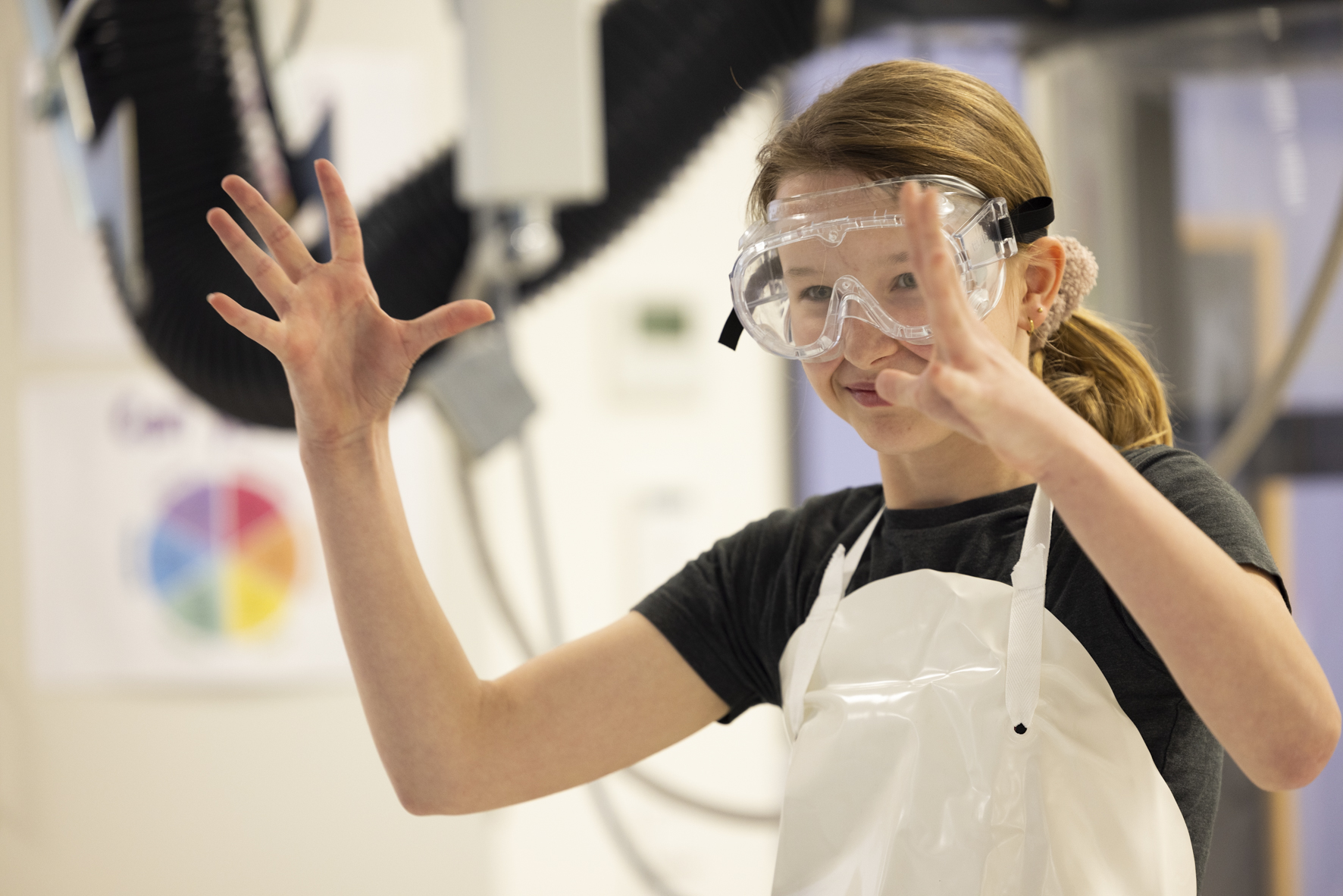
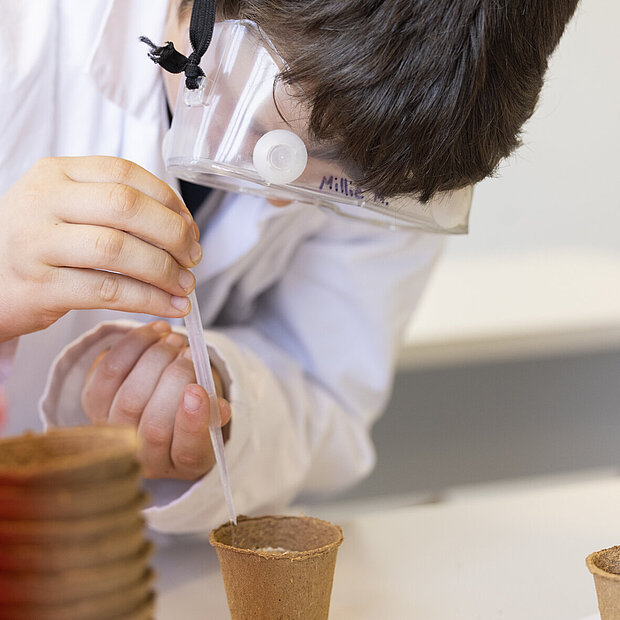
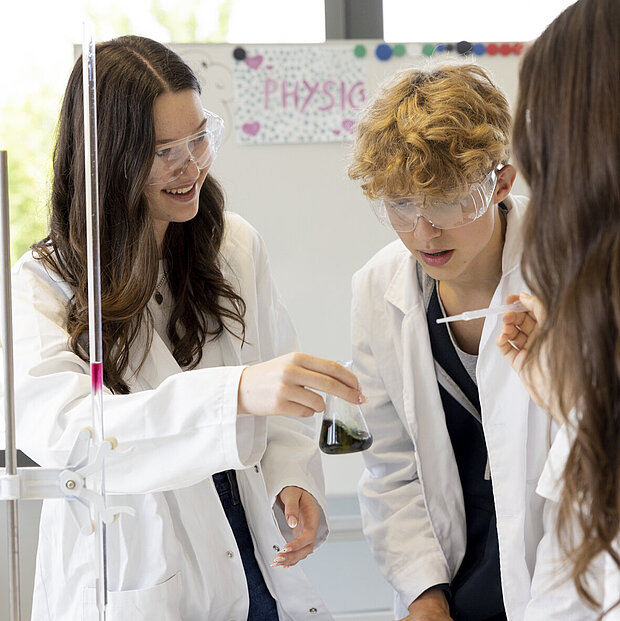
Our students learn how to document their science experiments clearly and correctly and how to write simple lab reports.
They keep building on these skills throughout their years at our secondary school, practising not only scientific methods but also care and perseverance.
The way we teach learning and study skills is carefully planned in each subject and follows the official curriculum, and our subject leaders make sure this is put into practice.
In the second half of Year 9, our students get involved in a social project. They spend time with older people and people with disabilities and often discover strengths they did not know they had.
Real empathy, team spirit and genuine communication skills cannot be learned from books alone. Our elective courses and the work of our school psychologist also help to ensure that social skills at our school are not just a learning goal, but part of everyday life.
For our lower and middle secondary students, we follow the “house” concept known from the English school system. Every student belongs to one of four houses – each one named after one of the four elements.
Across classes and year groups, they collect bonus points when they take on responsibility or make a special contribution to the community.
This creates a real sense of togetherness that goes far beyond their own class.
The Year 9 social project also strengthens these personal skills: here, students can put responsibility and self-organisation into practice in a very concrete way.
In the politics and economics curriculum, students cover economic topics such as household finances, how markets and businesses work, globalisation and economic integration in Europe.
In addition, Phorms currently supports a student company run by Year 8 students and offers the elective subject “Entrepreneurship” in Years 9 and 10. From Year 9 onwards, we encourage students to take part in the stock market simulation game on their own initiative, supported by a maths teacher.
The “Entrepreneurship” course is led by a physics teacher who has founded companies himself. A basic understanding of the world of work is also systematically fostered through practical STEM projects in cooperation with partner institutions.
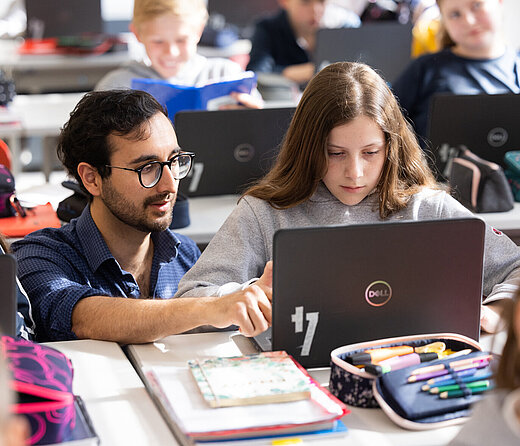
Alexander Daniel Berndt
Coordinator for Career and Study Guidance

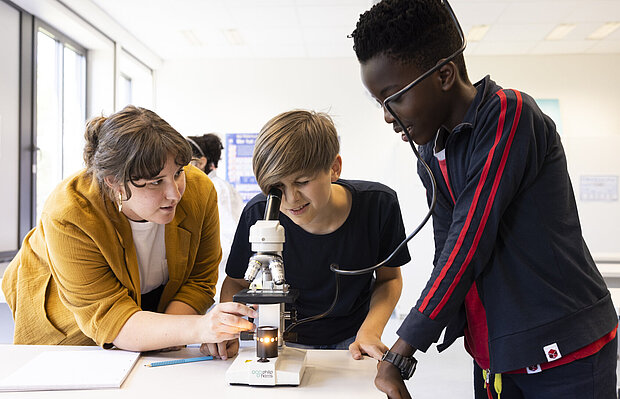
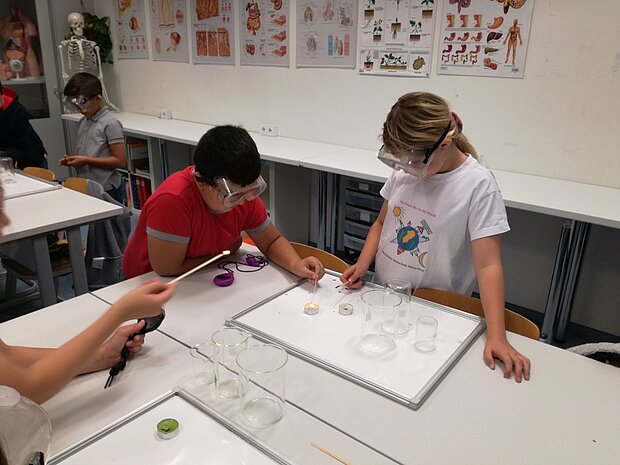
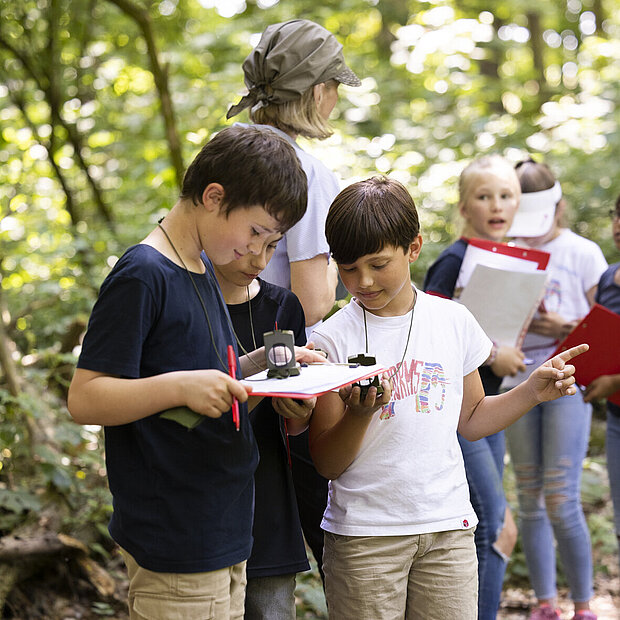
Our excursions programme offers students exciting activities such as visits to Experiminta, workshops at Goethe University Frankfurt, work placements at GSI Darmstadt and trips to the Marine Biology Institute in Tuscany. These experiences spark interest in STEM subjects and broaden their knowledge.
The two-week work placement in Year 9 usually takes place directly after the Christmas holidays. It gives students a realistic insight into the world of work and links what they learn at school with hands-on experience.
Together with the Year 9 social project, the focus is often on social, environmental or practical trades.This helps young people discover careers that Abitur students tend to choose less often and gain clarity about their own strengths, interests and future options.
Students at Phorms Frankfurt can also complete a work placement in an English-, Spanish- or French-speaking country. During and after their placement, students write a placement report and later present their experiences to the Year classes to give them tips for their own placements in the following school year.
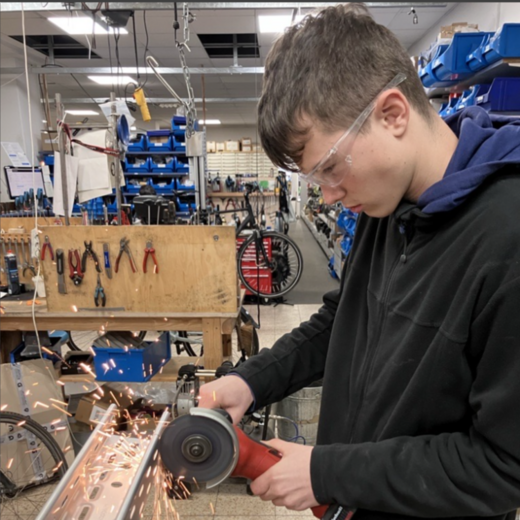
Students complete a two-week work placement in E2, usually during the last two weeks before the summer holidays.
The placement is designed to give a realistic insight into the world of work. Students should experience everyday conditions in the workplace and, where possible, get to know different areas of work within the company. At the same time, they are encouraged to reflect on their own interests and abilities, become aware of their strengths and weaknesses and compare these with what is expected in working life.
A placement in an English-, Spanish- or French-speaking country is also possible, especially for students who are considering later training or a future career in an international field.
During and after the placement, students write a reflection on their experience. After the holidays, they discuss this in a one-to-one guidance meeting with our careers coordinator, linking it to their ideas and plans for future study and careers.
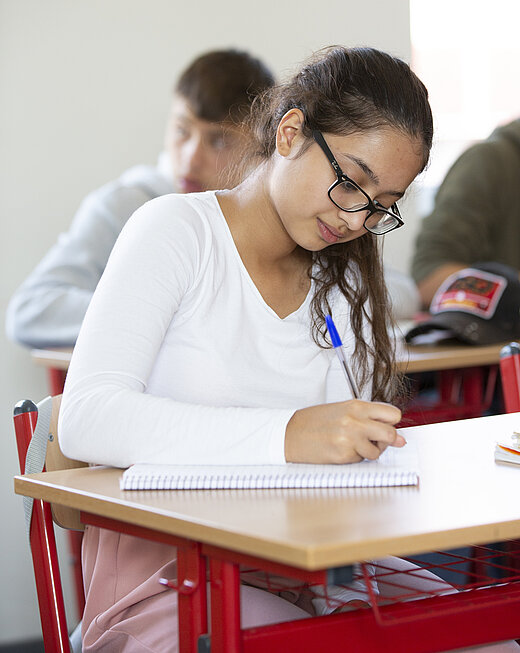
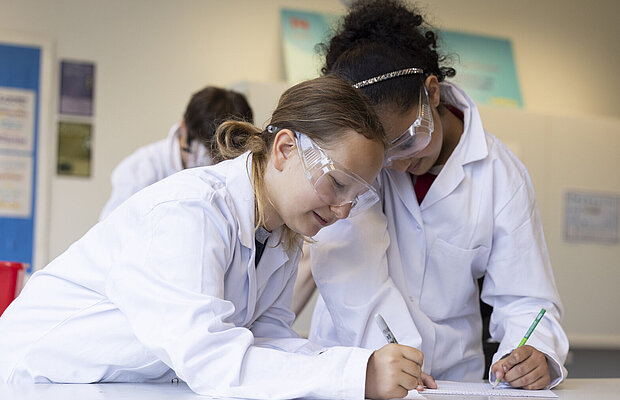

All students in Year 8 take part in Girls’ and Boys’ Day.
On Girls’ Day, the girls get to know training professions and degree courses in technology, IT, skilled trades and the natural sciences where women are still underrepresented, or they meet female role models in leadership positions in business and politics.
On this day, many technical companies, businesses with technical departments and training programmes, universities and research centres across Germany open their doors to girls – and to boys as well.
On Boys’ Day, the boys have the chance to get hands-on experience of jobs that are traditionally seen as “female”.
They gain insights into career fields they may not have considered before and can experience everyday working life directly.


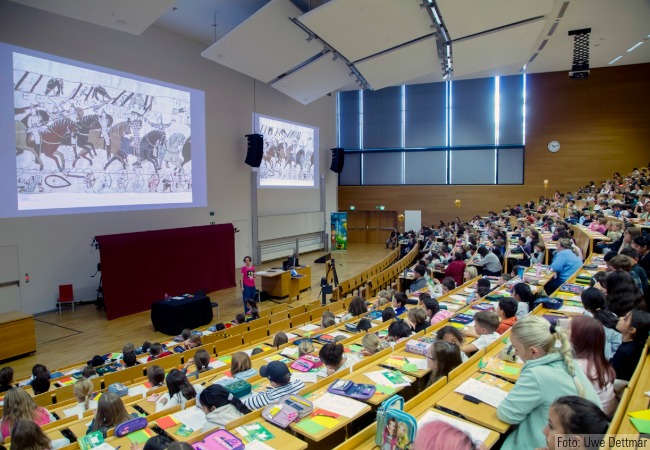
Phorms Frankfurt is an official partner school of Goethe University Frankfurt, with particularly close links to the natural science departments.
Every year, our Q2 upper secondary students take part in taster days at the university, giving them first-hand insights into academic life.
Our careers guidance coordinator is also in regular contact with the staff responsible for school relations in the individual departments and institutes.
This ensures that our students are prepared for current and relevant developments in academic education.
We also maintain close cooperations with

Coordinator for career and study guidance Germany and French-speaking countries abroad
Alexander.Berndt@phorms.de
Senior school coordinator and contact person for career and study orientation abroad in English
Nathan.Hawthorne@phorms.de